Walk any type of barn aisle on a quiet mid-day and you will listen to a language that does not rely upon words. A gelding's ear flicks, a mare sighs right into a young adult's shoulder, a kid stops their breath to match an equine's sluggish inhale. In those stops briefly, social connection obtains a chance to grow. An autism equine discovering program utilizes the unique existence of equines to aid kids, teens, and grownups method relationship skills in real time, with actual risks, and in a location that welcomes different means of noticing and being.
I have actually trained and developed equine-assisted services for a decade, throughout personal barns and school partnerships. The work bridges healing horsemanship, equine-assisted activities, and equine-facilitated health. Tags vary by supplier and credentialing body, yet the core continues to be simple and tough: horses help individuals feel and collaborate their bodies, notification one more's signals, and find a policy rhythm that makes social get in touch with more secure and even more rewarding.
What link looks like at the barn
Maya was nine when she joined our program. Verbal, funny, and quick with truths concerning worlds, she stiffened whenever a classmate tipped close. Tiny team recess felt like a hazard to her senses. At the barn, we began on the ground with Jazz, a consistent paint mare who chose soft voices and sluggish hands. Maya discovered to ask with a rope, not her shoulders. She practiced what her occupational therapist called body brakes: stopping briefly, dropping her shoulders, and widening her stance prior to taking an action. When Jazz stepped toward her, Maya took one step back rather than freezing. On week four, she located her breath once more. She stated, silently, "Hi there Jazz, I prepare." That day she likewise looked up to share the minute with me. One shared glance, one small smile. That is the shape of development we celebrate.
Teens bring various tales. Leo, fifteen, covered up wonderfully in course and went home worn down. He desired one area where he might stop scripting. His steed, Murphy, mirrored his tension fast. If Leo pondered, Murphy rushed his head. When Leo checked the atmosphere, Murphy did the same. We used that biofeedback to practice one skill each time: naming experience, using clear requests, and upright purpose. Leo started stating no a lot more. He discovered to step out of a crowded tack space before his battery passed away. His mommy noticed less after-school disasters and even more scheduled shifts, which is another way of saying he had a lot more energy left for link with his family.
Autism is a spectrum, so barn minutes differ extensively. Some cyclists go after mounted healing horsemanship, building postural stamina and complying with patterns. Others choose equine-assisted coaching on the ground concentrated on interaction and problem fixing. The common thread is experiential learning with steeds, developed around approval, sensory pacing, and clear relational feedback.
Why equines help social growth
Horses reviewed the world through movement, rhythm, and touch. They have huge bodies and delicate nerves, and they rely on congruence for safety. A steed notifications when your hands state go while your feet claim keep. They see the breath you neglected to take. That makes them talented companions for social knowing, since lots of autistic students notice those same mismatches in people and feel adrift when language does not match energy. With an equine, you obtain immediate, reasonable information. If you come close to quick and tight, the steed steps away. If you center and welcome, the steed draws near. No sarcasm, no covert rules.
There is also the rhythm of the barn. Hay rustles, hooves thud, birds chatter. It is not silent, yet the audios are reduced and predictable. Many participants with sensory sensitivities kick back more conveniently in a paddock than in a fluorescent facility room. This can open up a door for somatic healing with equines, where law begins in the body, not in language. Breath work while grooming, matching steps while leading, weight changes while mounted, and the simple act of co-regulating with a calm target pet typically build the physical baseline needed for social risk taking.
I see similar advantages in ADHD equine finding out assistance. Cyclists who frequently chase excitement find a task that asks for consistent interest without being static. Combing a steed requires series and stress grading. Leading asks for peripheral understanding and pacing. Installed work benefits focus with activity. For numerous, this is an alternative therapy for sensory obstacles that feel frustrating in a chair-based setting.
Program framework that respects people and horses
An autism equine finding out program is not a magic repair, it is an organized practice. Ours runs in twelve week cycles, when weekly, with sessions that last 60 to 75 minutes for many participants. Shorter, thirty minutes sessions fit those with strong sensory restrictions or arising resistance for uniqueness. For placed therapeutic horsemanship, we staff one teacher and one sidewalker per motorcyclist up until skills and safety and security permit more freedom. For equine-assisted mentoring on the ground, we run one coach for one individual, or sets if they already know and rely on one another.
Safety is not flexible. Headgears are required for any type of installed activity. Shut toe shoes and equipped garments safeguard the individual and keep gear from getting. The equines are selected for uniformity and convenience with touch, unexpected motion, and assistive tools. A qualified specialist looks after session plans and adjustments. Insurance policy and facility readiness issue greater than logo designs. Look for clear plans and a barn culture that places both human and equine well-being first.
We additionally anticipate a finding out arc. Very early sessions adjust sensory demands, chosen communication setting, and objectives that mean something to the participant. We do not chase "making pals" as an abstract objective. We aim for observable habits that scaffold that end result, such as starting a request, tolerating a shared time out, or negotiating a turn.
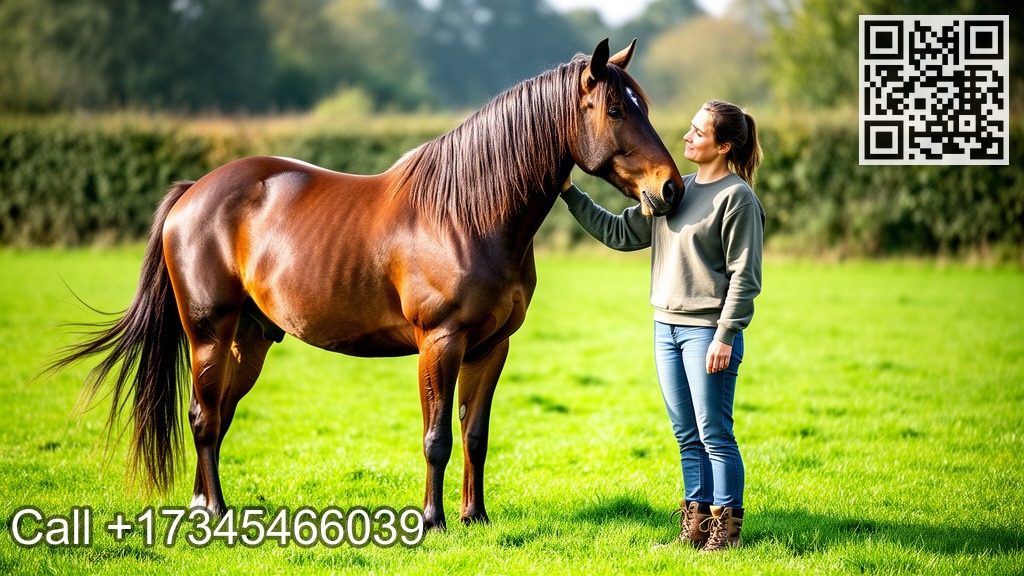
Is my kid, teenager, or grown-up customer ready?
Here is a quick preparedness snapshot I offer households and medical professionals that wonder. It is a guide, not a gate.
- Interest in pets, or at the very least interest about large outside spaces Ability to be near a 900 extra pound animal with assistance, even if from outside the delay at first Tolerates a helmet or can work up to it with rated exposure Can adhere to one step safety and security instructions with assistance, such as "stop at the cone" Medical stability for moderate to modest physical activity and outside allergens
If some of these are not present yet, we can still start, we simply set up differently. For instance, the very first brows through might occur outside the fence while simply seeing horses relocate, pairing the experience with a comfortable sensory input like a weighted lap pad or fidget. Headgear tolerance can construct slowly via play. Aesthetic routines and basic icons often make barn regulations much easier to absorb than talked language alone.
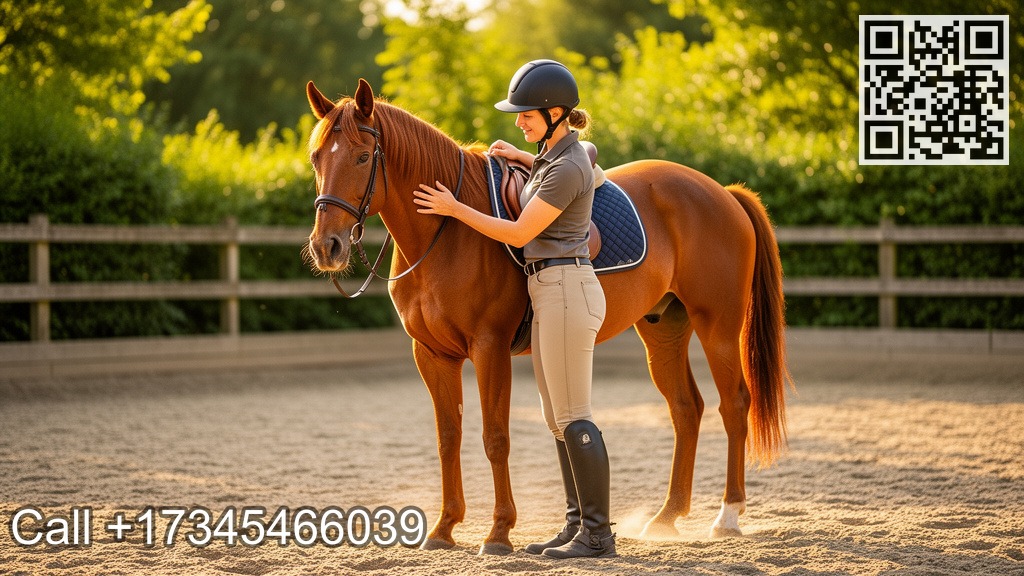
A regular session arc
While no two sessions look the exact same, a dependable arc aids policy. Much of my clients grow on a clear start, middle, and end. It may look like this:
- Arrive and regulate: shower room, water, body check, and a sneak peek of the plan Connect with the horse: stand together at the fence, suit breathing or steps, observe signals Task emphasis: grooming, leading patterns, barrier issue fixing, or placed exercises Social stretch: a coached interaction with a peer, moms and dad, or employee, such as trading the lead rope or intending a route together Cooldown and transfer: treat, gratitude for the equine, debrief with a short story or aesthetic pointer to lug skills into the week
On nervous days, we reduce steps and increase predictability. On high power days, we frequently begin with movement, such as leading at a working walk around the sector prior to requesting for serenity. The steed informs us what works. If the equine's head elevation surges and ears secure forward, we add range and peaceful. If the horse's eye softens and their breathing slows down, we can approach.
Building social link without forcing it
Horses do not enjoy being embraced by strangers. Several autistic individuals understand exactly just how that feels. Valuing limits designs authorization. We ask the steed for approval to method. We instruct a hand signal the individual can utilize to stop briefly get in touch with. We exercise waiting while an equine licks and chews, the equine version of processing. Social pressure decreases, and authentic bids for get in touch with rise, since nobody needs to perform.
Practically, link expands through shared jobs and predictable regulations. Passing a grooming brush backward and forward is a conversation without words. Setting cones together to construct an obstacle path invites negotiation. Preparation a mounted pattern, riding it, then giving responses develops point of view taking without saying "now we will exercise viewpoint taking." When participants see that their selections change the steed's action, company ends up being concrete. Company is the soil where social threat taking takes root.
We likewise lean on equine-facilitated coaching techniques, adapted for sensory needs. Quick reflective prompts job much better than long analysis. For example, after leading via an S contour, I might claim, "When your shoulders dropped, what transformed in Murphy's walk?" Or, "You looked toward the cone, then Murphy transformed. What did you reveal him?" The biker attaches dots in between body language and outcomes. That insight after that moves to people, commonly with parent coaching to area and strengthen it at home.
The scientific research without the hype
Research around equine-assisted services is growing, with blended layouts and modest sample sizes. That is normal for a field that covers several techniques. Numerous researches report renovations in equilibrium, sychronisation, and behavioral regulation after consistent involvement over 8 to 12 weeks. Families and schools typically report secondary gains such as improved presence, far better change resistance, or more peer initiation in natural setups. While we ought to beware not to assure results, the pattern much of us see in method is consistent: nervous systems settle a little faster, interest stretches a bit longer, and communication obtains a little more clear when finding out is symbolized, relational, and meaningful.
For anxiety support with equines, the functioning model is co-regulation. Equines, as victim pets, are developed to seek safety in synchrony. People benefit from this propensity when sessions instruct slow breathing, based position, and clear purpose. Some medical professionals combine these sessions with heart rate checking to supply aesthetic feedback. Others fold barn infiltrate work-related therapy or therapy. If you are choosing between service providers, ask just how they collaborate with existing treatment groups and exactly how they specify success.
Team building with equines for households and peer groups
Social learning does not quit at the person. We run family members mornings as soon as a month where siblings and caretakers join the job. Team structure with equines in this format is not regarding corporate games. It is about discussing whose plan the pair will certainly try, noticing when a brother needs a silent lap around the sector, or screening exactly how much a moms and dad can hang back while the youngster leads. Steeds function as the common task that redirects attention far from each various other's perceived problems. People capture each various other doing something effective, which rewords the story.
Peer teams function well for teens that currently have a standard of comfort with horses. 2 to 3 individuals share 1 or 2 equines and a problem: move a ball via an obstacle program making use of only lead ropes, or instruct a horse to tip through a square without touching the PVC. The objectives are partnership and communication. The coach makes sure that no one bulldozes and nobody goes away. The equine applies quality much better than any type of instructor could.
What development looks like and exactly how to gauge it
We track both soft and tough information. Soft data includes observations of affect, initiation, and persistence under moderate obstacle. Tougher data consists of time on task, number of proposals for joint focus, or frequency of self-advocacy declarations such as "I require a break" or "I intend to attempt." We collect standards in the very first 2 weeks and upgrade every three to 4 sessions. Moms and dads and instructors full short check-ins to see what transfers home or to school.
One eight years of age, Jana, arrived incapable to endure waiting her turn for greater than 3 secs. By week six, she might stand at eviction, take a look at her visual timer, and wait thirty seconds before taking the lead rope. That wait time was re-measured at school in line for lunch. The numbers matter not because they confirm the barn is better than a classroom, however since they aid us tune dose and emphasis. If wait time enhances in the arena yet not at college, we change our generalization plan.
Trade offs and side cases
Equine-assisted activities are not the right fit for everyone. Some individuals discover equines as well large and unforeseeable, despite range and visual supports. While we can do groundwork with minis via a fencing, there are learners who relax a lot more in a little therapy area with heavy coverings and a clear corner. For others, allergies or asthma make barns uneasy. A couple of medicines raise warmth sensitivity, which limits summertime schedules.
Another edge case appears with autistic clients who have a strong history of elopement. A big residential or commercial property with open gateways and water hazards includes danger. Programs can alleviate with additional staffing, fenced sectors, and cautious website selection, however sometimes a nature-based occupational treatment facility with confined spaces is safer.
Cost is real. Procedure range commonly by area and credentialing. Some programs certify under adaptive sporting activities or behavior health services. Others count on exclusive pay or scholarships. It helps to ask programs exactly how they structure charges and what choices exist for packed household sessions or school agreements. Be clear about your priorities so bucks sustain the objectives you worth most.
Lastly, equine welfare matters. A program that leans as well hard on aggressive handling or desensitization at all expenses educates the wrong lesson about partnerships. We design approval and selection for both varieties. If an equine is pinning ears at the girth, we check out healthy and comfort, not the rider's conformity. A horse having a stiff day ought to be exchanged out, not pushed through. Individuals internalize what they see.
Integrating with existing therapies and education
The finest outcomes show up when the barn is not an island. If a speech therapist is dealing with starting requests, we can scaffold the same actions in a high value context: asking to come close to the steed or to try a various gait. If a college IEP lists peer interaction, we can structure combined jobs that mirror college expectations without the snack bar mayhem. Occupational therapists value the possibility to deal with bilateral control, vestibular input, and stress grading while grooming or tacking.
I typically compose brief session recaps for treatment teams, no greater than 5 sentences, focusing on one behavior that arised and one that we will target next. Families bring those notes to institution meetings, which grounds discussion in concrete instances. The loop matters. Abilities built in the barn are most important when they have someplace to go.
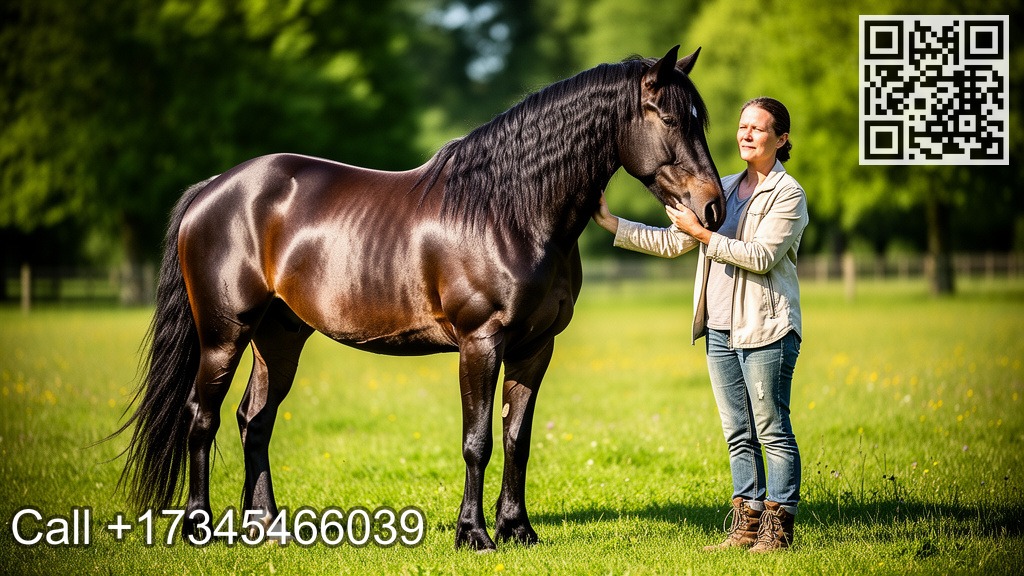
Coaching caregivers to strengthen gains
Parents and caretakers carry the work home. We instruct a handful of transferable devices that do not call for an equine. Breath-matching can take place on the couch. Aesthetic schedules can appear on the fridge. Body brakes can be exercised at the sink while washing hands. Many family members discover that a small, physical tip, such as a brush tied to a crucial ring, helps a youngster remember the feel of slow-moving, strong strokes that relaxed them in the barn. The things ends up being a bridge.
Caregivers additionally find out to tell feelings in neutral language. As opposed to "You are obtaining upset," we try "Your shoulders increased and your hands obtained fast. Do you desire the hefty brush or a lap press?" Options connected to body signals preserve dignity and minimize power struggles. In time, teens and grownups grab that language for themselves.
Horses as companions, not tools
The expression equine-facilitated mentoring can hide the equine behind the human's agenda. We defend against that deliberately sessions where the equine's preferences shape the strategy. If our mare, Willow, seeks touch, a brushing session makes sense. If she stares at the field entrance, movement is the much better choice. Participants observe that we ask the steed for input. They discover that partnerships function much better when teamwork is mutual.
We retire steeds from certain tasks when their rate of interest fades, and we provide times off after heavy psychological job. That stewardship becomes part of the lesson for human learners. Social link prospers in a setting where every event's demands matter.
Choosing a program wisely
Credentials inform component of the story. Experience and fit compose the remainder. Look for teachers licensed in therapeutic horsemanship or experts with documented training in equine-assisted solutions. Ask how they adjust for sensory accounts, what their emergency plans are, and exactly how they choose steeds. View a https://johnnyjcoi755.iamarrows.com/saddle-up-for-self-discovery-healing-horsemanship-for-grownups session. Do staff speak with participants with respect, at their speed, and with clear safety language? Are equines tied for long periods, or do they have yield and agency?
Ask about dose and goals. If a program assures fast repairs, beware. Social interaction grows like a trail, not a highway. Expect some weeks that feel flat and others where whatever clicks. Ask just how the team measures progression, and just how they will certainly change if an objective is not moving.
Finally, notice your intestine in the room. Do you exhale when you tip onto the home? Does your child light up at the sight of the arena, or do they surprise at the tractor and cover their ears? Great programs adapt, yet no barn fits every person. Trust the information and your senses.
When equines assist the helpers
Caregivers, instructors, and clinicians typically bring their own anxiety. Equine-assisted mentoring for grownups offers a reset. A 45 min session with a train and a constant horse can function as reflective technique for a special education and learning instructor or a parent attempting to adjust expectations. The equine mirrors patterns: rushing, over-directing, fading far too late, or going away when challenged. With a little support, adults identify their routines and pick brand-new experiments. When the system around an autistic learner softens and collaborates, the learner's course typically smooths a little bit too.
What stays after the session ends
The most resilient gains rarely look remarkable. They appear like a teen, hand on a mare's neck, choosing to state "Not today" to a canter and feeling no pity. They look like a seven year old who now awaits eye contact before passing the lead rope to a peer. They look like a college student who makes use of barn-learned preparation to map a bus route and come to course on time.
Equine-facilitated wellness resides in those ordinary victories. Over months, individuals stack sufficient of them to alter their tale about social life. As opposed to "I always obtain it wrong," we hear "I can try it this way," or "I know just how to relax." Anxiety support with horses gives the body a support, and from that support, connection feels much less like a tornado and more like a craft you find out to sail.
Bringing all of it together
Autism equine finding out programs work because they appreciate distinction, welcome agency, and lean on clear, personified responses. Steeds ask for congruence. They reward patience. They observe intent. Those are the conditions where social connection grows, especially for people who stay in a globe that typically overwhelms their detects and underestimates their preferences.
Whether you are a parent thinking about an initial check out, a clinician interested about collaborations, or a grown-up autistic person exploring brand-new means to develop community, recognize this: you do not need to execute for a horse. You can arrive as you are. The barn will certainly meet you with routine and area to breathe. With careful coaching, strong security, and genuine respect for both species, the work ends up being greater than a solution. It comes to be an area to practice being with another, then take that practice back to the rest of life.