Horses do not speak our language, yet they read stress and intention with an accuracy that humbles the majority of people on day one. That sensitivity is exactly why equine-assisted tasks can loosen up anxiety's knots. The horse's huge visibility invites solidity, not force. The barn asks for slower breathing, softer eyes, more clear boundaries. Done well, this work really feels less like therapy and even more like learning to relocate rhythm with a willing, perceptive partner.
I have actually watched corporate leaders soften their shoulders as a mare leaned her nose into their open palm, and I have actually seen a teen with racing ideas match a gelding's breath till both breathed out at the exact same time. The horse does not fix anybody. It supplies a clear mirror, firm responses, and a relaxing rate. That combination is powerful for anxiety relief.
What makes an equine a good educator for anxious minds
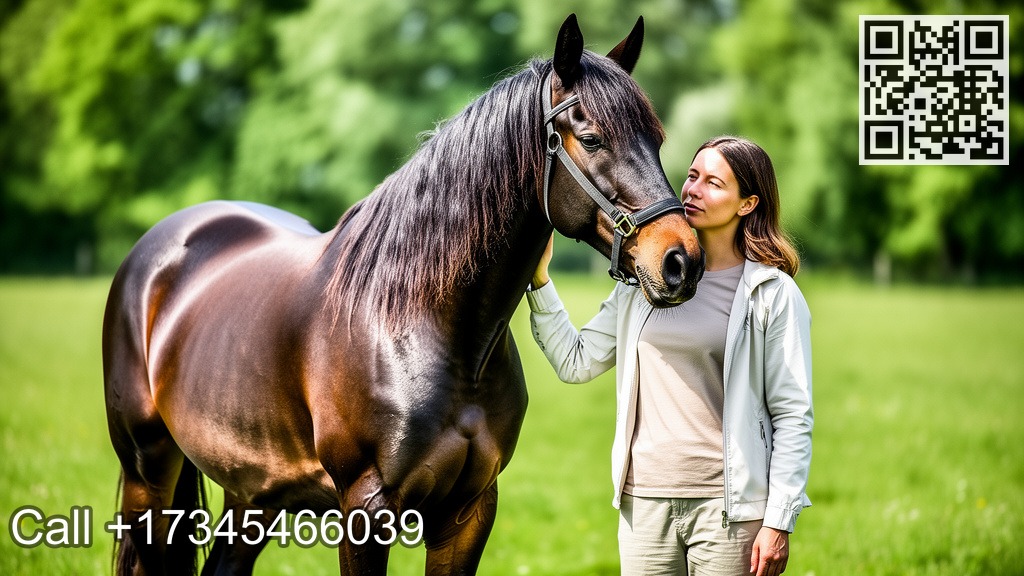
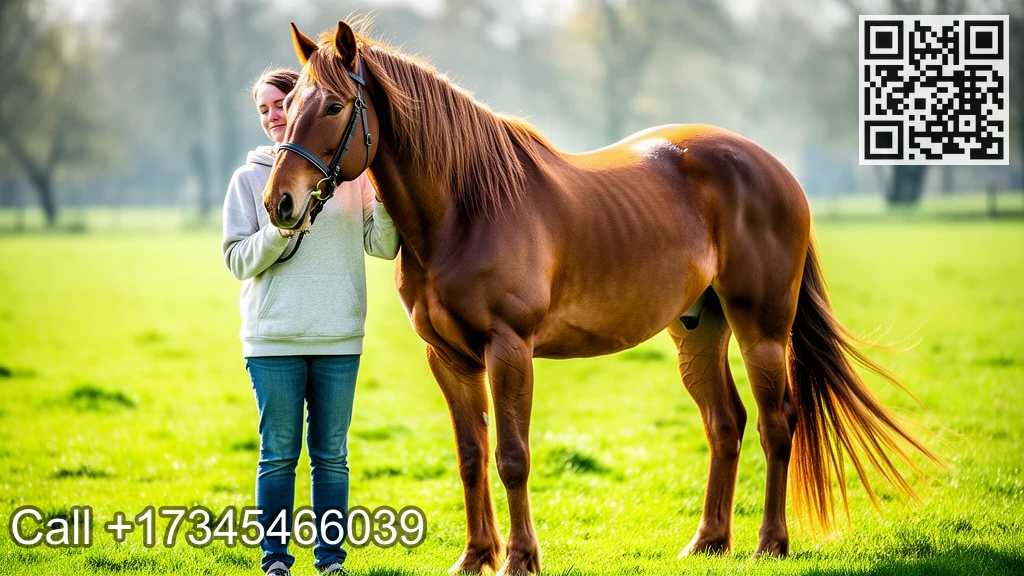
A distressed nervous system yearns for cues of safety and predictability. Steeds obey reviewing subtleties in body language, breath, and muscular tissue tone, which means they react promptly to shifts we often miss out on in ourselves. When you tighten your jaw, a steed may stop briefly. When you take a breath much more gradually, the steed usually reduces its head, blinks, and licks, signs of clearing up. This domino effect assists clients observe what their bodies broadcast.
There is likewise something concerning the horse's size that alters interest. Worries that really felt substantial in a cooking area really feel various close to a 1,000 pound pet that chooses to cooperate when you obtain clear and calm. The demand to be present puncture rumination. You do not link your mind to the past while you lead a delicate animal through a gateway. You take note, or the horse will certainly tell you to.
From a sensory point ofview, the barn setting has its very own medication. The tempo of hooves, the heat under a winter coat, the slow-moving sway of a lead line, even the odor of hay and natural leather, all of it can aid a stuck nerve system locate a brand-new channel. For lots of people, this is somatic recovery with horses in the most literal means, finding out via the body rather than through talk alone.
What a session in fact looks like
Equine-assisted solutions span a range. Some are placed, some stay completely on the ground. For anxiety alleviation, I usually begin unmounted. The work begins with positioning in the barn aisle or paddock. We talk security and approval. We read the equine's signals, after that we practice our own.
A common 60 to 90 min session might include meeting a steed free in a round pen. The customer enters with a straightforward objective, for instance, to welcome connection without chasing it. The horse replies to position and speed. If a customer rushes, the horse may avert. If the client softens their knees and breath, the equine usually steps more detailed. Later we might include a halter and line, browsing a few obstacles, walking in straight lines and arcs, stopping with each other, beginning with each other. It sounds fundamental till the customer realizes their mind wandered and the equine strolled off. That mild drift is the finding out moment.
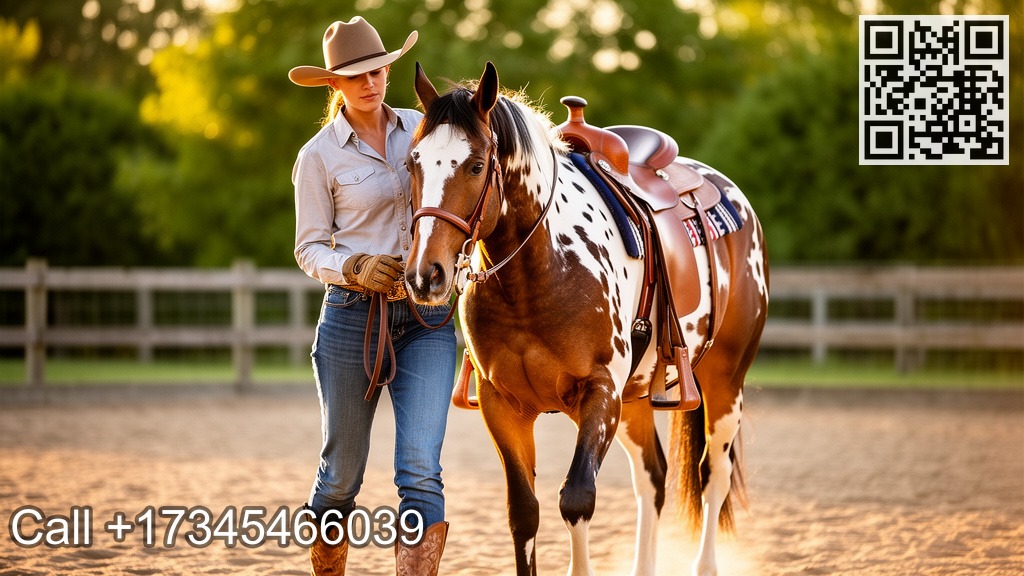
Mounted job fits, specifically within therapeutic horsemanship programs that focus on biker skills and body control. The rhythm of the walk can resolve an over active mind, comparable to bilateral excitement discovered in various other methods. For some customers, grooming comes to be the anchor. Five mins of brushing up until the coat radiates, then discovering their hands, shoulders, and jaw really feel various. These tiny anchors include up.
The quiet scientific research below the really felt sense
I avoid overselling research, since the area is still young. What we do have are several small research studies and program analyses that report significant reductions in self-reported anxiety and improved mood after brief collection of equine-assisted tasks. Some job has actually gauged adjustments in heart rate irregularity and cortisol in sessions that emphasize breath and paced interaction. The sample sizes are moderate, but the fad is consistent with what the majority of us see in method: people resolve, and they carry that resolving right into life. As always, specific outcomes vary. The equine is a driver, not a magic wand.
Mechanistically, several aspects most likely add. First, experiential discovering with equines recruits interoception, the capability to feeling inner signals like breath and heart beat. Distressed individuals commonly misunderstand or stay clear of those signals. The steed makes interoception much less abstract. Second, the dyadic policy that happens in between varieties can resemble co-regulation we look for in human relationships, yet with less tale and judgment connected. Third, the tasks require present-moment focus. Going through posts without bumping them is not cognitive-behavioral therapy, yet it has a similar result: it disrupts unhelpful patterns and practices new ones.
Anxiety takes different forms, so the work changes too
Panic is not the same as prevalent concern. Social stress and anxiety is not the like trauma-related hypervigilance. The barn needs to fulfill each of these with nuance.
Someone prone to panic may gain from predictable series with clear exits. We might begin right outside the pasture fencing, practicing breath pacing while watching the herd, after that take 5 action in and stop. The individual regulates the dosage. The goal is not desensitization in all expenses, it is choice and capacity.
With social anxiousness, equine-assisted mentoring commonly highlights borders and congruence. If a client claims they feel confident while their feet shuffle and their shoulders cave, the equine checks out the shoulders, not words. Discovering to line up words, tone, and position before a horse equates to hard discussions with coworkers or household. That is where some programs integrate group structure with equines for teams, because the equine subjects vague communication patterns without reproaching anyone.
Hypervigilance requests a slower lane. We might invest a full session outside the field, exercising orienting to the environment and translating the difference in between horse-alert and horse-relaxed. Viewing ears flick to a far-off audio, after that seeing the equine launch the stress, reveals that vigilance can cycle, it does not need to stay on.
Practical safety and moral care
If you have actually never ever been to a barn-based program, right here is what responsible technique looks like. The center will carry out a thorough consumption, including health and wellness history, current medicines, any kind of orthopedic issues, and allergy inquiries. A licensed specialist leads or co-leads sessions. Equines are very carefully chosen for character and viability, and their workload remains within gentle limitations. Safety helmets are conventional for placed work and are an audio selection for numerous ground tasks. The atmosphere is neat enough to decrease journey hazards, yet still a real barn, not a sanitized studio.
Ethical care additionally implies steed well-being is never an afterthought. The horses get day of rests, herd time, correct hoof and vet treatment, and clear signals when they can say no. A program that presses an exhausted or immune horse to do is not serving the horse or the customer. Customers notice that dissonance, also if they can not call it.
There are legit contraindications. Individuals with severe hatreds hay or dander might battle, though some barns mitigate with outside sectors and cautious pet grooming. Those with unchecked seizures, current traumas, or acute orthopedic injuries might need to delay installed job or stick to observation and gentle ground connection. A history of substantial aggression toward pets is a red flag. None of this is a flat no, however it suggests thoughtful preparation with medical providers.
How anxiety softens via particular skills
Anxiety alleviation in equine-facilitated wellness comes from substantial skills built session by session. Grounding is the initial. Prior to touching a halter, a client could find their feet, find 3 audios in the pasture, and extend their breathe out to a rhythm that the horse can feel via the lead. Clarity is the 2nd. Clear asks and clear releases. If you squeeze the lead, then never soften, the steed stops trusting your signals. That maps to day-to-day life, where vague limits feed anxiety.
Boundaries comply with very closely. Equines prefer leaders who are consistent, not prideful. The person who pulls and micromanages generates support and complication. The person who withdraws sends mixed messages. The wonderful area resides in firm, reasonable requests and instant praise for try, which humans locate less complicated to understand with a horse first.
Finally, fixing issues. When you over-ask and the equine tosses its head, you ask forgiveness in body language: soften your elbow, reset your stance, attempt once more with half the stress. Learning that blunders can be fixed without spiraling into self-criticism is gold for nervous minds.
A narrative from the round pen
M., a thoughtful designer in her thirties, lugged anxiousness like a knapsack filled with bricks. In her second session, she said every decision at the office seemed like a catch with a right and incorrect answer. We positioned three cones in the pen and asked her to lead a sorrel gelding, Tucker, through any type of course she selected. She froze at the first cone, scanning for the correct choice. Tucker quit beside her, ears snapping, after that wandered to smell a cone.
I asked M. To choose a direction that felt 60 percent right and to own it for 10 steps. She squared her shoulders towards the facility cone, breathed out, and tipped. Tucker complied with. At the turn, she waited. Tucker hesitated also. She noticed, took a breath, and stated, Fifty percent the anxiety is my time out, not the option. They finished the loophole. That ten steps of imperfect management became a functional mantra for her job week.
Where coaching fits, and where treatment is needed
Equine-facilitated mentoring focuses on goals like management visibility, communication design, and https://penzu.com/p/07e878e76cc9c83c nerves self-management linked to efficiency in work or life. It is not an alternative to injury therapy, though many trainers are medically informed. For some customers, coaching is the right entrance, especially if they bristle at words treatment. Language matters. Anxiety support with steeds can take place within either lane, offered that range is clear.
If anxiety attack or injury symptoms are main, seek a clinician learnt techniques like EMDR, somatic experiencing, or trauma-focused CBT who incorporates equine-assisted tasks. A therapist can hold medical danger, coordinate with a prescriber if required, and track sign adjustment. A train can challenge patterns and develop abilities in a manner that matches therapy.
Children, teens, and neurodiversity
Equine programs can provide a sensible lifeline for family members browsing sensory level of sensitivities or interest challenges. For ADHD equine learning assistance, installed and unmounted jobs construct impulse control, sequencing, and functioning memory. Ask the equine to walk on, after that count 8 strides prior to halting at a cone, after that applaud, after that reset. The body reaches practice timing in a satisfying loop.
For an autism equine finding out program, the nonverbal interaction in between equine and human can decrease the stress several autistic customers really feel in talk-heavy setups. The equine does not demand eye contact. Interaction can be side-by-side, grooming in sync, or strolling on parallel tracks. Alternate therapy for sensory obstacles often begins with desensitization to textures and seems in the barn, matched to the client's tolerance. A youngster that covers ears at the clink of a stirrup can still thrive on the quieter rhythm of a lead line walk.
Parents value concrete numbers. In my practice, 8 to twelve once a week sessions provide a solid arc for ability building. You will see tiny shifts early, like less debates going out the door on barn days, then more comprehensive changes by week six or seven, such as a kid asking for a break instead of melting down. These are not guaranteed timelines, yet they prevail when attendance corresponds and the horse-partner match is strong.
What takes place inside a well-run group
Groups can be effective. A triad of grownups exercising boundary-setting with the same equine discover as much from each various other's efforts as from their own. If the gelding strolls right into one individual's room repeatedly, the team problem-solves and experiments. Team building with equines scales this idea for companies. The steed makes the unnoticeable visible. Does the team talk over each other? The equine looks overwhelmed and stops briefly. Does the group agree on a strategy, then act as one body? The steed relocates voluntarily through the maze.
Groups need cautious facilitation to keep psychological safety and security intact. Nobody is with a behavior interpretation they did not accept discover. The equine is not a lie detector. The facilitator frameworks habits as information, not diagnosis.
An easy series to try in your home, then at the barn
If you are considering this job, it aids to exercise a short regular you can carry right into sessions. This is not a remedy, yet it constructs the muscular tissue memory that horses tend to follow.
- Stand with feet hip-width and unlock your knees. Exhale longer than you breathe in, 4 matters in, six suspends, 3 times. Choose one object to orient to carefully, such as a fallen leave or a fence post. Notification color, shape, and edges for 10 seconds. Soften your jaw and let your tongue hinge on the flooring of your mouth. Roll your shoulders once. Set a little intent, like take five tranquil steps. Claim it silently to yourself. Walk your five steps with your breath. If you lose track, stop and duplicate the sequence.
Clients usually report that this five-part check-in becomes their pocket device for grocery lines and stressful conferences. At the barn, horses sense the change immediately. It is a straightforward entry indicate equine-facilitated wellness, even prior to you touch a lead line.
How to pick a program you can trust
Not all offerings are equivalent, and titles differ. Some say equine-assisted training, others use equine-assisted tasks, and medical programs rest under the umbrella of equine-assisted services. Look for fit greater than tag. Credentials matter, but rapport and clearness of range matter extra. When you talk with a service provider, ask clear questions.
- Who leads sessions, and what are their credentials in both equine handling and human support? What does a first session consist of, and just how do you gauge preparedness for placed vs. Ground work? How do you select and care for your horses, and how do you monitor their stress? What results do customers typically see by session 4 or eight, and how do you gauge progress? How do you take care of safety, weather changes, and customer permission in the moment?
You do not require to know equine lingo. You do require to feel your concerns are listened to and answered clearly. A great provider will welcome these questions.
Equipment, clothes, and little information that make it easier
Come clothed to relocate. Closed-toe footwear with traction are non-negotiable. In summer season, an overflowed hat, light long sleeves, and sunscreen help. In winter, gloves that enable finger dexterity maintain you comfortable, and layers issue since your body temperature will certainly change when anxiousness settles. Precious jewelry that turns or dangles can alarm sensitive equines. Bring water. If you are scent-sensitive, ask the barn to prevent solid fly sprays during your session, or fulfill in a breezy arena.
Most programs give helmets for mounted job, however you can bring your very own if it meets existing safety requirements and fits correctly. For unmounted sessions, many clients still select a headgear to feel comfortable. Inquire about their plan. Little conveniences matter. A client as soon as brought a level rock that fit her hand. She rubbed it prior to invitations to connect, like a starter gun for her nervous system. The equine learned to read that sign too.
What the initial 4 weeks commonly look like
Week one is positioning and safety. You might groom and find out to halter. If grounded sufficient, you will walk with a lead and technique stopping with each other. The goal is not immediate bond, it is discovering the barn's standard rhythms.
Week two introduces targeted abilities. You may practice a figure eight with breath pacing or a challenge like walking in between 2 poles. The facilitator will certainly assist you decrease stress to the minimal reliable dose, so the equine claims of course without bracing.
Week 3 typically grows the dialogue. You will certainly see how tiny modifications in muscle mass tone influence the steed, and your facilitator will link that to an anxiousness pattern in your home or job. Repair work end up being smoother. You will capture on your own over-asking and adjust within seconds.
Week 4 combines and transfers. You will establish a goal for the session, meet it, and convert the ability to an actual scenario. For instance, practicing a clear ask and tidy launch, then making use of that manuscript to ask for a target date expansion from your manager.
This arc is flexible. Some individuals need even more time to merely breathe with the herd. Others sprint through the basics and take advantage of intricate patterns that test their tendency to over-control. Equines satisfy both kinds where they are.
When concern of horses belongs to the anxiousness story
Plenty of customers arrive uneasy concerning steeds. That is not a deal breaker. Actually, it can be an ally. A large, sensitive pet asks you to regulate in such a way no app can simulate. We never require contact. Lots of begin outside the fencing. The initial triumph could be acknowledging inquisitiveness under worry, then stepping closer for one minute. Some stick with monitoring the whole initial session. That persistence settles. I have seen a customer who might not go across the field threshold on week one, walking side by side with a tranquil mare by week six, happy with every square inch earned without coercion.
Trade-offs and restrictions worth naming
Horses do not fit everybody's life. Accessibility can be limited in metropolitan areas, and sessions cost greater than regular talk treatment due to the fact that centers and equine care are costly. Weather condition conflicts. Mud happens. For some clients, the barn's changability is part of the medication. For others, it enhances tension. The job is also physically appealing. If you have chronic pain or exhaustion, you will certainly need a program that adjusts rate, setting, and duration.
Another restriction is expectation. If a client gets here hoping for prompt, mystical connection, they may miss the practical discovering right before them. The steed is not a master. It is a living being with preferences and needs. The mutuality is the point. Anxiety recedes as you build reputable two-way communication, not as you go after a cinematic moment.
Integrating gains right into daily life
Equine work hits more difficult when it does not live only at the barn. After a session where you felt clear and calm, list three physical cues that informed you so, as an example, shoulders heavy, breath very easy, eyes soft. Tape it where you will certainly see it. Prior to a conference or challenging conversation, rehearse the five-part series from earlier. Switch the lead line for a coffee cup and stroll your 5 steps down the hall.
Bring your individuals right into the loophole. If you are in equine-facilitated training for management abilities, tell a trusted teammate the one habits you are exercising this week, such as making one clear ask and one clear recognition in every meeting. If you are in therapy, ask your clinician to collaborate with your barn facilitator so language and objectives line up. Anxiety flourishes alone. Shared language dissolves it.
A closing picture from the barn
A teenage young boy stood with a silent mare called Willow. He had not slept well in months. His mommy stated mornings were battles. We began with breath pacing from outside the paddock, after that actioned in for three mins of brushing. He counted ten strokes, then stopped. Willow sighed and cocked an unguis. He grinned, the fast kind only his mom typically sees. When he left, his shoulders no longer grabbed his ears. The following week, his mommy said the morning was still awkward, but he captured himself halfway through a spiral, did ten fictional strokes with an invisible brush, and reset. That is the shape of change here. Small, physical, repeatable. Gentle strength.
Whether you look for equine-assisted tasks for exclusive anxiousness support, equine-facilitated training to develop management under pressure, or a structured healing horsemanship track within equine-assisted solutions, the heart of the job coincides. You discover to pay attention to your body, to ask plainly, to value a companion, and to repair with poise. Equines accept the reality of what you bring and move with you when you prepare. For distressed body and minds, that reliable mirror is worth its weight in hay.