The first thing most teams observe when they stroll into an arena is the peaceful. No slide deck, no buzz of phones, just the rhythm of horses taking a breath and the scrape of hooves on sand. People lower their voices on reaction. They listen. That change is the starting factor for better interaction, since the most effective discussions begin with presence.
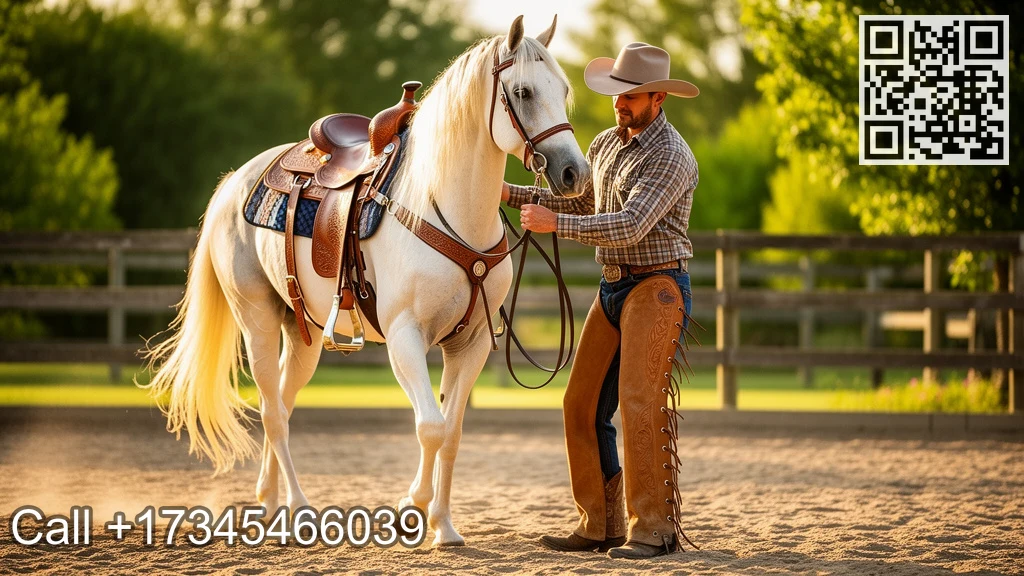
Horses are honest communicators. As prey pets, they https://judahaspo179.lowescouponn.com/from-anxiousness-to-ease-equine-facilitated-health-for-calmer-living review intention and emotion in a fraction of a second, and they reply to the whole message we relay with our pose, speed, tension, and focus. In a conference area, words can paper over mixed signals. Among a 1,000 pound mirror, blended signals delay the conversation, actually. The horse quits or wanders away, and the group needs to determine why. That is where finding out fractures open.
Why equines aid people speak to each other
Every herd kinds itself out without e-mails or memoranda. The common language is motion, breath, and small modifications in distance. A horse leans an inch and the herd moves to make area. When we enter that area, we find out by taking part, not by trying to control. If you crowd an equine, you will see the expense of stress. If you stand unclear, you will see how leadership vacuum cleaners get filled.
Horses are likewise indifferent to resumes and functions. You can be the C-suite leader or the brand-new hire, and the mare with the white celebrity will provide you the exact same prompt comments. Teams find that refreshing, even alleviating. I have seen individuals that rarely speak in meetings take a clear step, and the herd follows. Coworkers view it happen, right before them, after that later ask, Why do we not create more space for her voice at work?
The body learns faster than the brain in settings such as this. You can talk about energetic paying attention all day, or you can try to direct a steed through an alley of cones while your companion murmurs instructions you can not quite listen to. Your shoulders tighten up, the steed slows down, and your partner states, I believed I was being clear. Unexpectedly the lesson is not abstract. It is apparent. That is experiential understanding with equines at its best.
Sorting the area: programs and definitions
There are numerous entrances right into equine job, and the tags can be puzzling if this is brand-new terrain. A few differences aid groups select the right fit.
- Equine-assisted solutions is the umbrella term lots of facilities make use of for programs that consist of equine-assisted activities, equine-assisted coaching, restorative horsemanship, and in many cases psychotherapy with horses. Each service has different objectives and credentialing. Therapeutic horsemanship educates flexible riding abilities. It supports physical, cognitive, and social objectives for motorcyclists that take advantage of placed job, consisting of people with sensory handling distinctions or movement obstacles. It is usually not where business group programs live, however the safety and security and training skills created there inform excellent method throughout the barn.
Equine-assisted tasks for corporate groups focus on non-riding groundwork. You could halter, lead, bridegroom, or observe the herd in a field, after that complete facilitated obstacles. This is usually the best entrance factor for team structure with horses.
Equine-assisted coaching and equine-facilitated training fixate professional development and interaction. An experienced instructor companions with an equine to aid individuals and groups method abilities that transfer to function. The steed is not a prop. The steed is a real-time participant, which demands humbleness, clearness, and interest to authorization from everybody involved.
Equine-facilitated health generates a more powerful lens on guideline and tension. Breathwork, pacing, and choices are highlighted. Individuals dealing with high stress, fatigue, or anxiousness respond well. Many groups have participants that value anxiety support with steeds as a nervous system reset.
Clinical services sit next to yet different from group offsites. Psychotherapy with equines is a mental wellness service provided by a qualified clinician trained to operate in the barn. An autism equine learning program or ADHD equine finding out assistance runs within educational or healing frameworks and complies with clear range and safety procedures. When a team consists of neurodivergent coworkers or those with sensory obstacles, it assists to collaborate with a supplier that can link both globes. Different treatment for sensory obstacles is a wide summary, so request for specifics on techniques and credentials.
The most intelligent carriers are specific concerning these borders. Training is not therapy. Team building is not therapy. That quality secures the dignity of the equines and the humans.
What a half day with horses actually looks like
Programs differ by website, herd, climate, and objectives. A half day in my practice usually runs 3 to 4 hours and focuses on 3 arcs: seeing, doing, and translating.
We begin at the rail of a paddock. No tasks yet, just observation. Individuals pair up and compare what they see. One notices a gelding pressing another. Another notices the herd relocating as a system to color. Someone else notices a peaceful steed positioned in between 2 higher condition equines like a buffer. After that we link those patterns to the team. Who in your group serves as a barrier when stress rise? Does your team like to lot up under stress or spread and scout?
After the rail work, we relocate to a series of short difficulties in the arena. The timeless opener is straightforward. Move this equine from one cone to the following, no ropes, no touching, just with your body language. Teams try to outthink it initially. They go big. They walk directly at the horse. The equine walks immediately. Then a person softens their chest, transforms somewhat, and invites the horse by entering an arc. The equine sighs and complies with. The debrief composes itself. When did pressing work? When did subtlety do more?
As skills construct, the challenges get layered. We could provide half the group a restriction, like no speaking for three minutes or only one person might lead at once. The restraint reveals habits. Some groups over coordinate and delay. Others improvisate a lot that no person understands the strategy. We see without judgment, then discuss what functioned and what needs a tweak back at the office.
Finally, we equate. Relocating steeds is not the task. Working with a merging, opening up a new market, or rolling out a product is. We map the minutes that mattered to dedications with dates and names. If consensus structure aided obtain the mare with the narrow chute, that will bring that light touch to the sales and design standup next Tuesday? Without that bridge, the day comes to be a novelty, not a lever.
A brief casebook from the arena
A fintech start-up can be found in weary from a sprint. In the initial exercise, a product supervisor with social stress and anxiety based on the side, holding her breath. One steed kept bobbing his head towards her and stepping sidewards right into her room in a gentle means. I asked if she observed. She nodded, but did stagnate. A coworker walked over and claimed quietly, I can run cover for you if you want to try leading. She breathed out. They discussed a hand signal for aid. She led the equine two steps, quit, asked for backup, after that went again. That fifteen minute arc became a group norm. Back at the office, they made use of the very same hand signal in meetings when voices climbed. It appears quaint, however it changed the room. Over the following month, more people spoke in standups, especially juniors. They told me later on it cut their meeting time by around 20 percent, mainly by removing the dancing of that reaches talk.
A hospital unit battling with turnover did a half day focused on borders. Registered nurses are excellent at reviewing bodies. Equines made that noticeable. In one drill, a nurse maintained crowding a gelding to make him relocate faster. He pinned his ears and stepped sidewards, a warning. She cut short and stated, That is my work right there. I push, it presses back. In the debrief, the team built a language for asking to slow down the pace for security without embarassment. 6 weeks later on, their manager reported less incident reports throughout shift adjustments. That sort of correlation has many variables, yet the staff kept making use of phrases from the arena, particularly the concept of soft eyes and clear asks.
A manufacturing leadership team with a big split between plant and workplace staff appeared in very early springtime. Mud everywhere, a chilly wind, and skeptics stacked 3 deep. We ran a quiet sorting exercise with sticky notes on halters to identify a fictional assembly line. The office folks tried to strategize from the rail. The plant individuals actioned in and obtained their boots filthy. Halfway with, they searched for and chuckled with each other. The duties had actually flipped. By the end, they had a running joke regarding gold boots, a small symbol of functioning across the line. Months later, their operations lead sent out an image from a Kaizen event. Two managers had spray-painted old boots and put them on the table as a reminder.
Safety, permission, and principles without drama
Good programs make security boring by making it extensive. You need to see helmets provided, clear arena policies, and an introduction to horse habits that speaks ordinary language. I prefer a 1-to-6 facilitator-to-participant ratio for foundation with environment-friendly teams, and I will certainly go down to 1-to-4 if we collaborate with multiple horses in limited areas. Closed-toe shoes, minimum, with hard-toe suggested in some barns. In hot climates, we include color breaks and water colders every 20 feet. In chilly or gusty weather, we readjust workouts to decrease startle risks.
Consent is not just a wellness buzzword in this context. Steeds get to state no. If a mare pins her ears or swishes her tail hard when a group crowds her, we stop briefly and withdraw. The lesson may be concerning pace and respect, not pushing through. Individuals additionally get to pull out of straight contact if worry is high. Watching from the rail with a co-facilitator and reflecting can be just as abundant. When individuals feel valued, they experiment more.
Ethics include horse workload and care. Ask how many sessions the steeds do daily, what rest resembles, and just how actions worries are taken care of. An excellent response consists of minimal hours, differed tasks, and a plan to rotate steeds so they are not overexposed to groups. Search for programs that value equine-facilitated health for the herd as much as the humans.
A sample arc for a 90 min module
This is one method I structure a concentrated session for a group that intends to sharpen interaction without a full half day.
- Arrival and positioning, 10 mins. Safety and security, equine body movement essentials, and introductions. Herd monitoring at the rail, 10 mins. Sets share 2 behaviors they see and what each could mean. Silent leading obstacle, 20 mins. Move a steed between marked zones without touching, using breath and placement. Debrief on stress and timing. Constraints drill, 20 mins. Exact same workout with a twist, such as one leader at once or no spoken signs. Debrief on rotating management and clarity. Translation huddle, 20 minutes. Call 3 patterns, after that designate a tiny behavior modification back at the office with dates and owners. Closing check, 10 mins. One sentence each concerning what they will try within 72 hours.
That sequence compresses understanding into a limited window without rushing the equines or the humans.
What groups really learn, beneath the slogans
Clarity of ask. Steeds care much less concerning the material of your strategy and more about the quality of your next step. Leaders find out to develop an easy purpose, straighten their body to it, after that act. Vague requests develop vague responses.
Pressure management. Pressure is okay. Too much, as well quickly, for as well long is. Teams practice titrating it. Much more presence, then less. Action in, after that time out. The instant equine feedback songs that skill.
Listening beyond words. A partner's micro-flinch methods greater than a long explanation occasionally. Teams create sharper eyes for those hints, which equates to remote work too. You can hear the equivalent of a pinned ear in an e-mail that obtains shorter and sharper over a week.
Repair after bad moves. If you crowd an equine and it reveals pain, you can reset your distance and try again. No long apology excursion, just a better action. High working teams obtain proficient at that kind of tidy repair.
Healthy borders. Several groups battle to say no. Horses make it noticeable when a line has actually been crossed. Practicing a company, kind border with a 1,000 extra pound associate assists people draw lines with a 200 e-mail inbox.
Adapting for different nerves and needs
An experienced service provider constructs for varied brains and bodies from the start. For coworkers with ADHD, short, clear jobs with movement keep engagement high. ADHD equine learning support often prefers fast feedback cycles and noticeable wins. Equines are perfect partners for that due to the fact that they react at the rate of attention.
If sensory obstacles exist, alternate therapy for sensory obstacles in a mentoring framework may suggest readjusting ground surfaces, providing ear defense on gusty days, using soft lead ropes, and preparing clear exits from the arena. Some people regulate better with the slow-moving rhythm of pet grooming, so we develop that in. Anxiety support with horses fixate pacing and agency. We never force closeness. The rail is a valid discovering position.
Autistic individuals frequently grow when predictability is respected. An autism equine finding out program within a team context could consist of aesthetic timetables for the session, a clear map of the sector, and consistent hints. Directness is welcomed. One of my favorite moments was when a silent analyst took a look at the mare, then at me, and said, She is overlooking your vague instructions. Please be specific. He was right. Most of us giggled, after that we all obtained even more precise.
Accessibility does not end at the gate. Ramps, vast aisles, and suitable installing blocks matter also for foundation days due to the fact that they mirror a facility's attitude. I have coached groups with a member in a mobility device right at the rail, directing the circulation and naming observations with medical clearness. Management is not a feature of leg position.
When this is not the ideal tool
This work is powerful, and it is not for everyone or every period. Extreme horse allergies or asthma that flares in barns are actual obstacles. If a team remains in severe dilemma or trauma, scientific support takes priority. Some people carry a fear of huge pets that surges stimulation so high that finding out can not occur. Online or interior simulations can be a bridge, or we concentrate on field observation from outside a fence.
Weather can make or damage a day. High heat, lightning, or icy ground are nonstarters. Develop backup days into contracts. And for some societies, the meaning of steeds does not resonate. The factor is not to compel significance. The factor is for teams to involve with a real, receptive system that educates with communication. If that is not equines, locate one more online system.
Choosing a credible provider
A little homework goes a lengthy method. Use this quick list when you veterinarian programs.
- Ask about credentials for both horse handling and facilitation, not simply one or the other. Try to find training in equine-assisted training or relevant fields plus solid horsemanship. Request an example agenda with clear knowing goals linked to work results, not just enjoyable with animals. Clarify safety proportions, equipment, and emergency situation strategies. Confirm insurance policy protection details to equine activities. Ask just how they adjust for neurodiversity, movement differences, or stress and anxiety. Listen for functional, respectful options. Observe the horses when possible. Tranquil eyes, totally free motion, and revolved workloads point to good care.
Equine-assisted solutions is a broad label. Excellent questions help you discover the right branch for your needs, whether that is equine-assisted activities for a light offsite or much deeper equine-facilitated coaching for management cohorts.
Making modification stick after the arena
Practice is where the sparkle either fades or hardens into habit. I ask groups to pick micro-rituals they will maintain for 30 to 60 days. One remote team constructed an easy time out procedure. At the 25 minute mark in conferences, any person can say, Soft eyes, and the team takes one quiet breath with each other. They credit it with lowering disturbances. One more team embraced a one step ask regulation. No stacked needs. One clear request, then await the action. That mirrors the clean cue an equine understands.
Managers can strengthen knowing by calling out moments that resemble the sector. When somebody notices tension rise and modifications their range metaphorically by asking for a smaller meeting, claim it. Do not turn the experience into mythology. Harvest it in actual time.
Measure gently and truthfully. Post workshop eNPS bumps are nice, however slim. Better signs consist of less backchannel information, much shorter meetings, faster decisions with much less rehash, and more individuals contributing in standups. You can track those as behaviors for a month without sandbagging anyone.
What facilitators desire groups understood on arrival
Bring boots you are not priceless about and an open mind. Anticipate to be amazed by who shines. The peaceful engineer may discover her stride at the equine's shoulder. The extroverted manager might discover the worth of stillness.
Do not attempt to win. There is no scoring. The steed does not care. Emphasis rather on signal clarity and team attunement. If you obtain stuck, check your breath, examine your range, and check your focus. You possibly changed one without noticing.
Debriefing is the real work. The arena is a lab. The office is the area. If you are attracted to pat a steed, take a selfie, and call it a day, avoid the barn and go with a walk. If you are ready to practice somatic recovery with steeds in the most sensible feeling, indicating you manage your body to improve just how you speak and listen at work, the herd has a whole lot to teach.
A closing photo from the pasture
Last fall, a cross-functional group checked out on a crisp early morning. We ended with a release exercise. Individually, people called a behavior they wanted to put down for a while. Talk over others. Stay clear of hard comments. Hold-up choices. They breathed out, then walked throughout the field and put a tiny rock on a fencing message, a physical marker. The horses went to the far end, heads down in hay. As the last person positioned their stone, a chestnut gelding raised his head, ate, and ambled over at an easy stroll. He quit with his nose near the heap of rocks, smelled, and stood. Nobody talked. The minute was not magic, just powerful. After that he sighed, that deep equine sigh that loosens every shoulder around him, and the group appeared to breathe with him.
There is no PowerPoint slide for that. There is only the lived memory of a herd showing us how to be with each other. If your group needs a reset, intends to practice more clear asks, or intends to construct actual trust without big speeches, take into consideration spending an early morning with great equines and great facilitators. The field is straightforward. The lessons travel. And the path from rail to office is much shorter than you assume when you allow the herd set the rhythm.